
This guide helps them spot practical signs, decide what matters, and choose next steps without guessing or self-blame.
Are they asking about CPAP and respiratory options because something at home keeps derailing sleep?
“Yes, sometimes the “equipment problem” is really a routine problem. For those living with an addict, daily challenges can affect consistency, making it harder to keep regular bedtimes, maintain equipment, or avoid sudden disruptions that may cause respiratory therapy to stall.”
In many Australian households, unpredictable noise, late-night conflict, missing money for consumables, or sudden mood shifts can stop the basic habits CPAP needs. If that pattern is persistent, Living with an Addict may be part of the context that needs addressing alongside clinical care.
What does “Living with an Addict” actually look like in day-to-day respiratory care?
It often shows up as repeated disruption rather than one dramatic event. The person using CPAP may feel on edge, while the carer becomes the “system” that keeps everything running.
Common examples include broken sleep due to arguments, a partner removing the mask, equipment being moved or damaged, or appointments being missed because the household is in crisis. In that environment, Living with an Addict can turn a straightforward therapy plan into an ongoing triage.
Can CPAP problems be caused by stress rather than the machine or settings?
Yes. Stress can mimic or worsen CPAP issues by increasing insomnia, jaw clenching, aerophagia, and mask intolerance.
If they notice better sleep away from home, or the first half of the night is fine until a household event occurs, it may not be pressure settings. In homes impacted by Living with an Addict, hypervigilance and interrupted routines are common reasons CPAP “fails” even when the device is clinically appropriate.
Are there clear signs their home environment is unsafe for consistent CPAP use?
Yes. Safety is about predictability, not just physical hazards. If they are scared to fall asleep, CPAP adherence becomes unrealistic.
Warning signs include hiding personal items, locking doors at night, fear of a partner’s reaction to noise from a CPAP, or medication being taken or tampered with. If those are present, Living with an Addict is not just a relationship strain; it can be a barrier to safe respiratory care.
How can carers tell the difference between normal adjustment issues and deeper household instability?
Normal adjustment issues trend upward over weeks as they learn mask fit, humidification, and comfort settings. Household instability tends to repeat in cycles and resets progress.
If they see patterns like “good week, crisis week, back to zero,” or they keep cancelling follow-ups with a GP, sleep physician, or respiratory clinic, the barrier may be broader. In cases of Living with an Addict, the carer often becomes exhausted, and the patient’s confidence drops, even when equipment is fine.
Could substance use in the home affect oxygen therapy or respiratory equipment safety?
Yes, and it can be serious. Oxygen increases fire risk, and some substances can worsen impulsivity and unsafe behaviour around heat sources.
If there is smoking indoors, open flames, or intoxication around oxygen tubing, concentrators, or cylinders, risk rises quickly. Australian suppliers and clinicians take this seriously. When Living with an Addict involves smoking or unsafe handling, it is worth raising with the care team so precautions are not left to chance.
Do patients and carers need to disclose family addiction issues to a GP or sleep specialist?
They do not need to share details they are not ready to share. But sharing the practical impacts can help clinicians tailor support.
They can frame it as “sleep is disrupted by home stress,” “there are safety concerns,” or “adherence is difficult due to household instability.” That often leads to more realistic plans and referrals. If Living with an Addict is affecting therapy, the goal is not blame; it is making treatment workable.
What questions can they ask themselves to check if “Living with an Addict” is affecting their CPAP plan?
They can use simple, observable questions rather than labels. The point is to notice patterns.
Helpful checks include: Are supplies going missing? Are they afraid to wear a mask around someone intoxicated? Do they avoid cleaning gear because conflict might start? Are finances too unpredictable to replace cushions and filters? If multiple answers are yes, Living with an Addict may be shaping outcomes more than the CPAP brand or model.
How does “Living with an Addict” change the best choice of CPAP or respiratory option?
It can change what is realistic to maintain. The “best” option is often the one they can protect, clean, and use consistently.
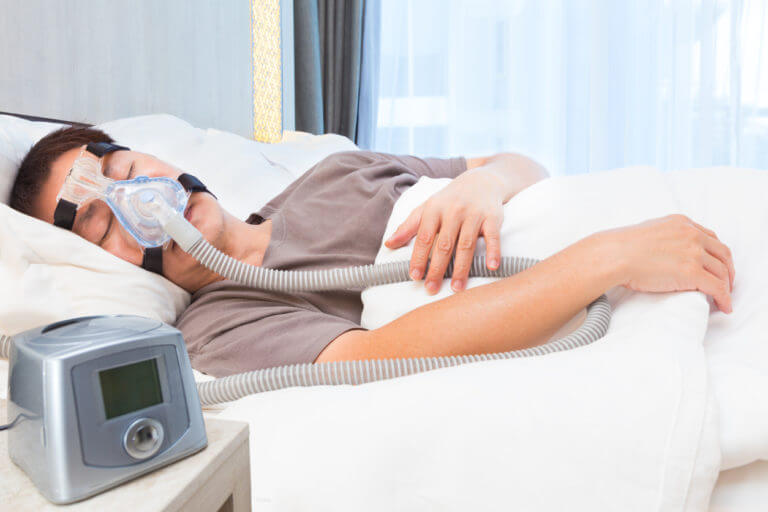
They might prioritise simpler setups, quiet devices, rugged travel cases, and automatic features that reduce fiddling at night. They may also choose suppliers with strong telehealth support across Australia. For households affected by addiction, finding help for families of alcoholics can be an important part of building stability, while practical resilience often beats premium features that require strict routines.
Should they prioritise a mask that is quick to remove if there is conflict at night?
Sometimes, yes. Comfort matters, but safety matters too, especially if they feel at risk.
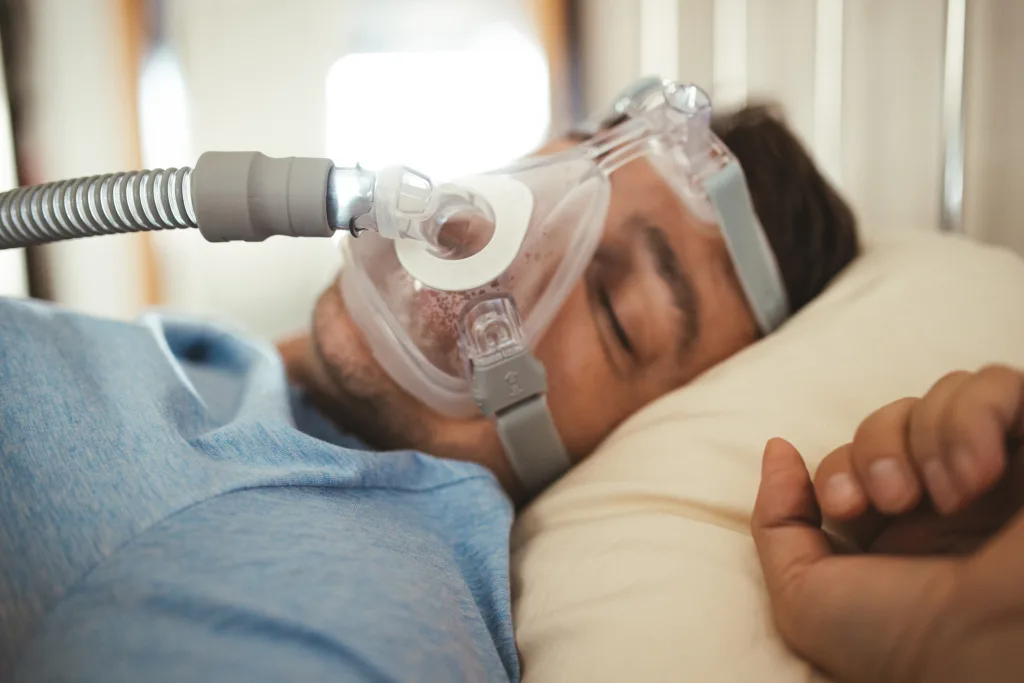
A mask that can be removed quickly, plus tubing management that avoids tangles, can reduce panic and hazards. They can discuss this with an Australian CPAP provider or sleep clinic without disclosing personal details. If Living with an Addict creates unpredictable nights, equipment choices should match that reality.
What boundaries can carers set without becoming the “CPAP police”?
They can focus on shared goals and clear limits. The aim is to reduce conflict, not manage another adult’s behaviour.
Examples include: keeping CPAP equipment in a separate space, setting a no-smoking rule near oxygen, or scheduling equipment cleaning at a calm time of day. Carers can also step back from arguing about adherence and instead support appointments and refills. In Living with an Addict, boundaries work best when they are specific and enforceable.
Can they build a “minimum viable routine” that still supports treatment?
Yes. A small routine that survives bad days is often better than an ideal plan that collapses under stress.
A workable baseline might be: wash face, fit mask, start machine, and log one note about the night. Cleaning can be simplified with wipes and a weekly deeper clean when safe. For people Living with an Addict, reducing steps protects consistency and reduces decision fatigue.
What support options exist in Australia if addiction in the household is impacting health?
They can access support without needing the other person to change first. Australia has multiple pathways for carers and family members.
They can start with a GP care plan, local community health, or state-based alcohol and other drug services. Peer and counselling supports may help carers reduce burnout and improve safety planning. If Living with an Addict is present, support for the household context can be just as important as the CPAP prescription.
When should they treat this as an urgent safety issue rather than a sleep issue?
If there is violence, threats, coercive control, or fear of harm, it is urgent. CPAP optimisation can wait; safety cannot.
They can consider immediate supports such as 000 in an emergency and local services for safety planning. Clinicians can also note risks and adjust care pathways. In severe cases of Living with an Addict, the most health-protective step may be changing the sleeping environment before changing equipment.
How can they talk to a CPAP supplier or clinic without oversharing?
They can keep it practical and request specific help. Most clinics have heard “home is complicated” many times.
They might say they need quieter gear, a mask with quick release, remote setup support, or guidance for inconsistent sleep schedules. They can ask about trial periods, compliance reporting, and replacement schedules that fit tight budgets. If Living with an Addict makes life unpredictable, the right supplier relationship can reduce friction.
What if the patient feels guilty for focusing on their own treatment?
They do not need permission to manage a medical condition. Sleep-disordered breathing and chronic respiratory issues can worsen mood, blood pressure, driving safety, and daytime function.
If they stabilise sleep, they may cope better with everything else. Carers also deserve rest and support. In households Living with an Addict, guilt often keeps people stuck; consistent treatment is a valid form of self-protection.
How can they decide their next step this week?
They can choose one clinical step and one home step. Small, concrete progress is more sustainable than a total overhaul.
A clinical step might be booking a CPAP review, mask refit, or GP appointment to discuss sleep disruption. A home step might be securing equipment storage, setting one boundary around smoking near oxygen, or asking a trusted person for help. If Living with an Addict is part of their reality, planning for stability is part of respiratory care, not a distraction.
What is the simplest way to summarise whether “Living with an Addict” is affecting their respiratory choices?
If their biggest barriers are fear, chaos, missing supplies, or unsafe nights, then yes, it is affecting choices. If their barriers are purely comfort, fit, or clinical settings, it may not be.
Either way, the goal is a plan they can follow in an Australian home with the supports they have. Living with an Addict is not a diagnosis they must apply to someone else; it is a context that can explain why “good equipment” still is not enough.
<script type="application/ld+json">
{
  "@context": "https://schema.org",
  "@type": "BlogPosting",
  "mainEntityOfPage": {
    "@type": "WebPage",
    "@id": "https://buyfromcharlotte.com/do-patients-and-carers-exploring-cpap-and-respiratory-options-need-living-with-an-addict-heres-how-to-tell/"
  },
  "headline": "Do Patients and Carers Exploring CPAP and Respiratory Options Need Living with an Addict? Here's How to Tell",
  "image": [
    "https://buyfromcharlotte.com/wp-content/uploads/2026/08/iStock-820861054-768x512-1.jpg",
    "https://buyfromcharlotte.com/wp-content/uploads/2026/08/shutterstock_537317164.webp",
    "https://buyfromcharlotte.com/wp-content/uploads/2026/08/iStock-2173937466.webp"
  ],
  "author": {
    "@type": "",
    "name": "Koby Nock",
    "url": "https://buyfromcharlotte.com/author/admin/"
  },
  "publisher": {
    "@type": "Organization",
    "name": "Buy Charlotte Face Masks",
    "logo": {
      "@type": "ImageObject",
      "url": "https://buyfromcharlotte.com/wp-content/uploads/2023/03/cropped-Green-Modern-Olive-Oil-Logo.png"
    }
  },
  "datePublished": ""
}
</script>