
What is the Aerobika device?
Aerobika is a handheld, drug-free airway clearance device used to help clear mucus from the lungs. They breathe out through it, and the device creates gentle vibrations and resistance in the airways. Those effects help loosen mucus so it can be moved upwards and coughed out.
It is small, portable, and typically used for short sessions at home. Aerobika is not a rescue inhaler and does not replace prescribed medicines. It is usually one part of a wider respiratory care plan.
How does the Aerobika device work?
Aerobika device works using two main ideas: positive expiratory pressure (PEP) and oscillation. When they exhale through the device, it creates back pressure that helps keep smaller airways open for longer. That can allow air to get behind mucus and help move it.
At the same time, the device produces oscillations, meaning vibrations in the airflow. Those vibrations help reduce how sticky the mucus is, making it easier to shift. In practice, the goal is to make coughs more productive rather than more frequent.
Who might benefit from using Aerobika?
Aerobika is often used by people who have ongoing mucus problems, particularly with chronic lung conditions. A clinician may recommend it for bronchiectasis, chronic bronchitis, COPD, cystic fibrosis, or after some chest infections where mucus lingers. It may also be used after surgery when someone is at risk of retaining secretions.
It is not suitable for everyone. They should only use it if a healthcare professional has advised it, especially if they have complex heart or lung problems, recent chest trauma, or frequent coughing up of blood.
What does using Aerobika feel like?
Most people describe it as breathing out against a controlled resistance, with a fluttering sensation during exhalation. That flutter is the oscillation doing its job. It should not feel painful, and they should not feel forced to strain.
Some people may feel slightly breathless during the first few sessions, mainly because the technique is new. Good coaching on breathing rhythm and posture usually improves comfort quickly.
How is Aerobika typically used?
Aerobika is usually used in short cycles: they breathe in normally, hold briefly if advised, then exhale through the device at a steady pace. After several breaths, they pause to “huff” or cough to bring mucus up. Many routines repeat this for several cycles, often lasting around 10 to 20 minutes in total, depending on the care plan.
Clinicians may advise using it once or more each day, and sometimes before inhaled medicines so the airways are clearer. The exact schedule varies because airway clearance needs depend on symptoms and flare-ups.
How does Aerobika compare with other airway clearance options?
Aerobika is one of several tools used for mucus clearance. Some people use other OPEP devices that work in a similar way but feel different in the hand or have different resistance settings. Others use manual chest physiotherapy, breathing techniques, or mechanical vests that provide external vibrations.
The main advantage of Aerobika is simplicity. It is compact, does not need batteries, and can be used without another person’s help. The right choice usually comes down to their diagnosis, how much mucus they produce, and what they can stick with day to day.
Can Aerobika help during COPD or bronchiectasis flare ups?
It may help some people during flare-ups by improving mucus clearance, which can reduce the feeling of chest congestion. However, flare-ups can also involve airway narrowing, infection, and inflammation, so airway clearance is only one piece of treatment. They should follow their clinician’s flare-up plan, including antibiotics, steroids, or inhalers if prescribed.
If symptoms worsen quickly, oxygen levels drop, or they cannot speak in full sentences, they should seek urgent medical help. Aerobika is not an emergency treatment.
Other Resources : Chronic obstructive pulmonary disease
What are the common mistakes people make with Aerobika?
A common mistake is exhaling too hard. Aerobika works best with a steady, controlled breath out, not a forceful blow. Exhaling too fast can reduce the quality of oscillation and cause early fatigue.
Another mistake is skipping the cough or huff phase. The device helps loosen mucus, but mucus still needs to be expelled. Finally, inconsistent cleaning can reduce performance and hygiene, so a simple routine matters.
How should Aerobika be cleaned and maintained?
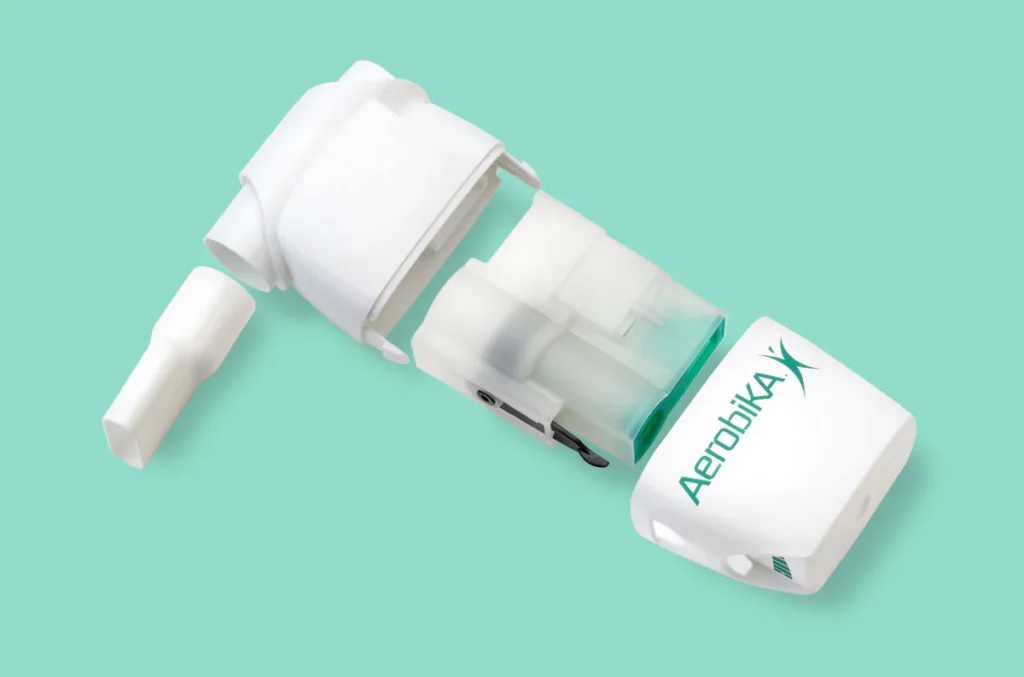
They should follow the manufacturer’s instructions and any local clinical guidance, but the basics are consistent. Aerobika is typically taken apart, washed in warm soapy water, thoroughly rinsed, and left to air dry. Some care plans recommend periodic disinfection, especially if they are prone to infections.
The device should be stored dry and checked for damage. If the valve mechanism sticks, cracks appear, or performance changes, they should replace it rather than trying to modify it.
What should they ask a clinician before starting Aerobika?
They should ask whether Aerobika is appropriate for their diagnosis and symptoms, and what exact routine to follow. Useful questions include how many breaths per cycle, when to cough or huff, and how many sessions per day. They should also ask whether to use it before or after inhalers, and what to do during a flare-up.
Most importantly, they should ask what “success” looks like. For many people, it is fewer chesty days, easier mucus clearance, and better tolerance for everyday activity.
What is the key takeaway about the Aerobika device?
Aerobika is a handheld airway clearance device that helps loosen and move mucus by combining resistance and vibration during exhalation. For the right person, used with the right technique, it can make coughs more effective and breathing feel less congested. They should only start it with clinical advice, and they should treat it as part of an overall respiratory care plan rather than a standalone fix.
Related : The Best CPAP Machines in Australia: A Buyer’s Guide for 2026
FAQs (Frequently Asked Questions)
What is the Aerobika device and how does it help with mucus clearance?
The Aerobika device is a handheld, drug-free airway clearance tool designed to help clear mucus from the lungs. By breathing out through it, the device creates gentle vibrations and resistance in the airways, which loosen mucus, making it easier to move upwards and cough out effectively.
Who can benefit from using the Aerobika device?
Aerobika is beneficial for people with chronic lung conditions that cause ongoing mucus build-up, such as bronchiectasis, chronic bronchitis, COPD, cystic fibrosis, or those recovering from chest infections or surgery. However, it should only be used if recommended by a healthcare professional, especially for individuals with complex heart or lung issues.
How should I use the Aerobika device correctly?
Aerobika is typically used in short cycles where you breathe in normally, hold briefly if advised, then exhale steadily through the device. After several breaths, you pause to ‘huff’ or cough to bring up mucus. Sessions usually last 10 to 20 minutes and may be done once or more daily according to your care plan.
Can Aerobika replace my prescribed medications or act as a rescue inhaler?
No, Aerobika is not a rescue inhaler and does not replace prescribed medicines. It is intended as part of a wider respiratory care plan alongside medicines and breathing exercises prescribed by your clinician.
What sensations should I expect when using Aerobika?
Using Aerobika feels like breathing out against controlled resistance with a fluttering sensation during exhalation caused by oscillations. It should not be painful or cause strain. Some initial mild breathlessness may occur but usually improves with proper technique and coaching.
How do I clean and maintain my Aerobika device?
You should follow manufacturer instructions by disassembling the device and washing it in warm soapy water, rinsing thoroughly, and air drying completely. Periodic disinfection may be advised if prone to infections. Store it dry and check regularly for damage; replace if valves stick or cracks appear to ensure optimal performance and hygiene.