
This guide shares three patient-friendly, carer-friendly ideas to consider while researching Everflo, alongside CPAP and other respiratory support pathways. It is general information only, and they should speak with their GP, sleep physician, respiratory specialist, or home care provider for advice that fits their situation.
What should they clarify first about CPAP versus home oxygen?
They should confirm whether the goal is treating obstructive sleep apnoea, low oxygen levels, or both. CPAP is commonly used for sleep apnoea to keep the airway open, while oxygen therapy is prescribed to help maintain adequate oxygen saturation. For those prescribed home oxygen therapy, an EverFlo oxygen concentrator is a popular option due to its reliable, continuous oxygen delivery and user-friendly design.
In Australia, the prescribing pathway matters because it affects equipment selection, provider support, and funding options. If they are unsure, a sleep study report, oximetry results, or a respiratory review can quickly narrow down what’s actually needed.
Why might Everflo be worth considering as a practical home oxygen option?
Everflo is often considered because it is designed for home oxygen therapy with a focus on everyday usability. For patients and carers, that usually means fewer complications in setup, a smaller footprint in the home, and simpler routine handling.
For households trying to balance appointments, work, and family, Everflo can suit a “set it up and keep it consistent” approach. If they are comparing oxygen concentrators, Everflo is often shortlisted for its practical design and day-to-day familiarity among home care suppliers.
How can they plan a setup that fits Australian homes and routines?
They should map the equipment to the home, not the other way around. That includes choosing a stable location with good airflow, checking power point access, and keeping walkways clear to reduce trip risks, especially at night.
If Everflo is in the mix, they can plan where tubing will run, how cleaning will happen, and who will monitor filters and general condition. For many Australian homes, a simple checklist on the fridge is more useful than any manual.
What should carers look for to keep daily use straightforward and safe?
They should prioritise routines that reduce “mental load”. A clear start and stop routine, basic cleaning steps, and a plan for replacing consumables usually prevents most avoidable issues.
If Everflo is being used, carers can also confirm what the provider will handle, such as servicing schedules and troubleshooting. The best arrangement is the one where the patient can do as much as possible independently, and the carer can step in only when needed.
How does Everflo fit into a broader CPAP and respiratory conversation?
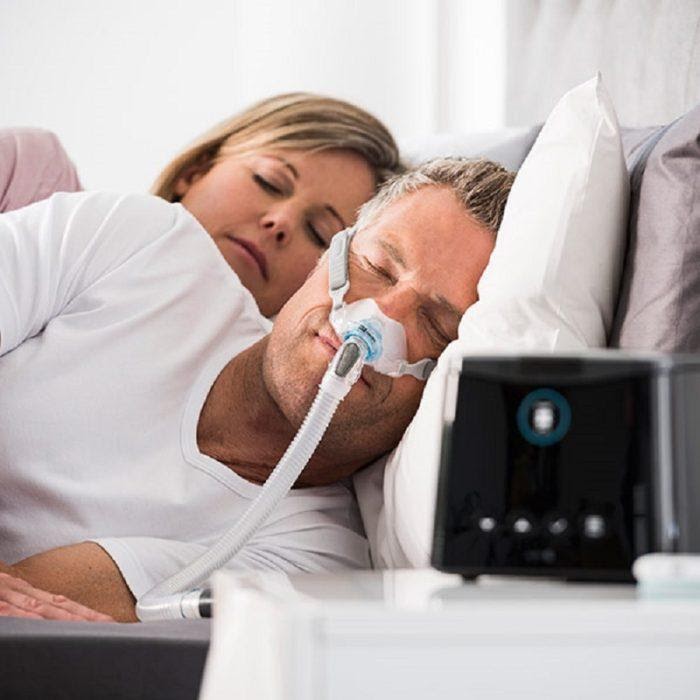
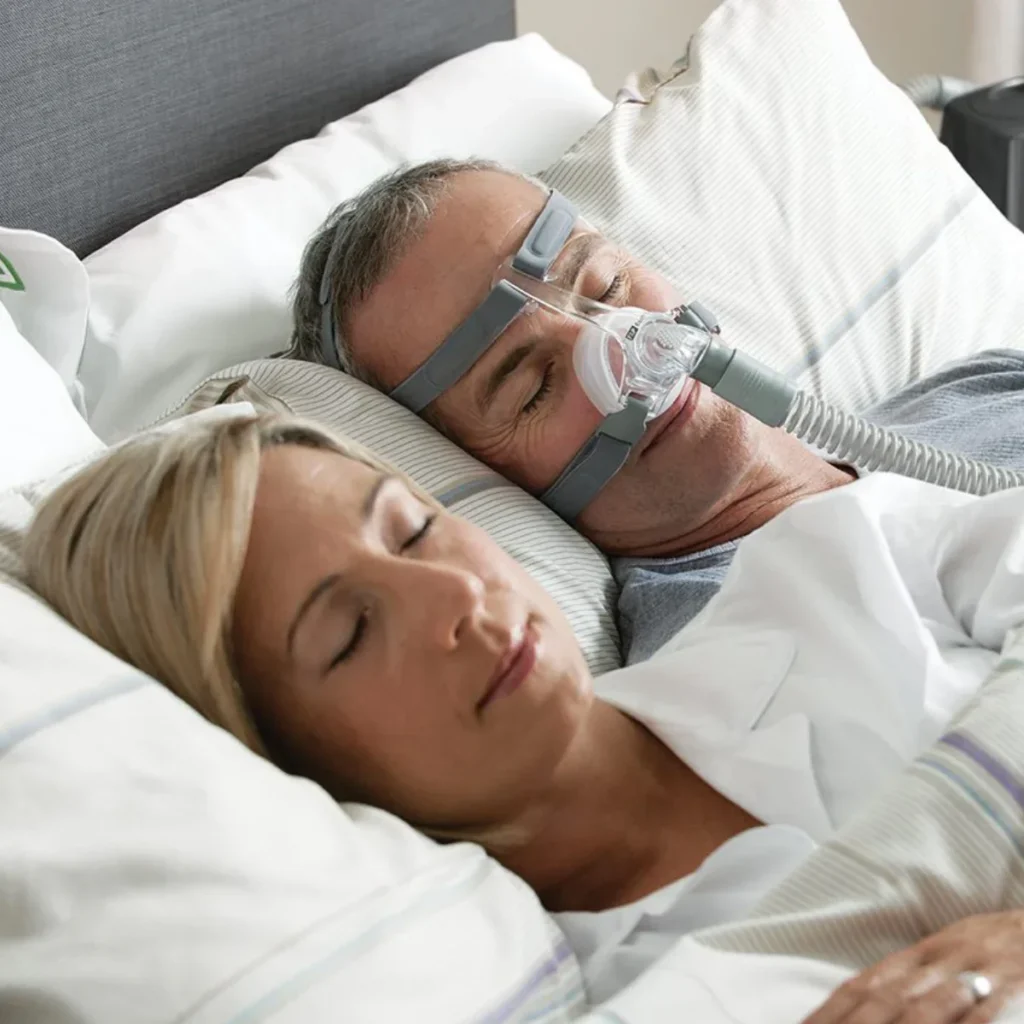
Everflo is not a CPAP device, but it often comes up in the same household conversation because some patients manage more than one respiratory issue. A person might use CPAP for sleep apnoea and also require oxygen support, depending on clinical advice and testing.
In these scenarios, Everflo can be part of a larger home respiratory setup where comfort, noise, space, and nightly routines all matter. Patients and carers should ask their clinician how therapies interact, rather than assuming one replaces the other.
What questions should they ask a provider before choosing Everflo?
They should ask questions that reflect real life, not just specifications. If they are also considering Aerobika for Respiratory Therapy, they should discuss how it complements their treatment plan alongside expected oxygen flow requirements, servicing arrangements, power use expectations, and what happens if the unit alarms or performance changes.
If Everflo is being offered through a supplier, they can also ask who to call after hours and what the turnaround time is for replacements. In regional Australia, logistics can matter as much as the device itself.
How can they compare Everflo with other oxygen concentrators fairly?
They should compare based on what affects daily living: physical size, how it fits into the home, ease of handling, and the clarity of provider support. Feature lists can look similar across models, so the differentiator is often how smoothly it runs in practice.
If Everflo is one option, they can request a walkthrough of cleaning, filter checks, and basic troubleshooting. A fair comparison includes the service model, not just the unit, because the provider is part of the “product” over time.
What should they consider if the patient travels within Australia?
They should consider whether the therapy is primarily stationary or needs flexibility. Some people mainly need oxygen support at home, while others may need options for trips, visiting family, or short stays.
If Everflo is used as the main home unit, they can ask the clinician or provider about travel-friendly alternatives and how oxygen prescriptions translate to different equipment. For patients in Australia, planning ahead can prevent missed therapy during regional travel or interstate visits.
How can they avoid common mistakes when starting with Everflo?
They should avoid rushing setup or improvising accessories. Most problems come from blocked airflow around the unit, poorly managed tubing that becomes a trip hazard, or inconsistent cleaning habits.
If Everflo is part of the plan, they should follow supplier instructions, confirm the correct flow settings with a clinician, and schedule the first week with extra attention. A calm first week usually leads to a stable routine for months.
What are three Everflo ideas they can act on this week?
They can take three practical steps that make respiratory support feel manageable rather than overwhelming. These are simple actions that suit many Australian households, while still leaving clinical decisions to qualified professionals.
First, they can do a “home placement test” by choosing the location, checking airflow clearance, and planning tubing routes. Second, they can create a one-page routine covering cleaning, checks, and who to call for help. Third, they can schedule a provider walkthrough so Everflo is not just delivered, but properly understood and integrated into daily life.
How should they bring it all together with their clinician?
They should bring a short list of questions and their real constraints, like stairs at home, carer availability, travel needs, and comfort concerns. Clinicians can make better recommendations when they understand how the therapy will be used day to day.
If Everflo is being considered, they can ask whether it matches the prescribed requirements and what monitoring is expected over time. In Australia, aligning the device, the provider, and the household routine is often what makes therapy sustainable.
<script type="application/ld+json">
{
  "@context": "https://schema.org",
  "@type": "BlogPosting",
  "mainEntityOfPage": {
    "@type": "WebPage",
    "@id": "https://buyfromcharlotte.com/3-everflo-ideas-worth-considering-for-patients-and-carers-exploring-cpap-and-respiratory-options/"
  },
  "headline": "3 Everflo Ideas Worth Considering for Patients and Carers Exploring CPAP and Respiratory Options",
  "image": [
    "https://buyfromcharlotte.com/wp-content/uploads/2026/08/cpapuse.jpg",
    "https://buyfromcharlotte.com/wp-content/uploads/2026/08/fisher-paykel-eson-nasal-mask-couple-sleeping.webp",
    "https://buyfromcharlotte.com/wp-content/uploads/2026/08/7999032358_062c3ba476_o.webp"
  ],
  "author": {
    "@type": "",
    "name": "Koby Nock",
    "url": "https://buyfromcharlotte.com/author/admin/"
  },
  "publisher": {
    "@type": "Organization",
    "name": "Buy Charlotte Face Masks",
    "logo": {
      "@type": "ImageObject",
      "url": "https://buyfromcharlotte.com/wp-content/uploads/2023/03/cropped-Green-Modern-Olive-Oil-Logo.png"
    }
  },
  "datePublished": ""
}
</script>