
For active seniors in Australia, maintaining a mobile lifestyle while managing respiratory health has never been more achievable. The evolution of wearable oxygen technology in 2026 has shifted from bulky, restrictive tanks to ultra-compact, high-performance devices that fit into a small shoulder bag or backpack.
Choosing the lightest oxygen concentrator is no longer just about shedding grams; it is about finding a balance between weight, battery endurance, and oxygen output. Whether you are strolling through the Royal Botanic Gardens, catching a flight from Sydney to Perth, or visiting family interstate, the right Portable Oxygen Concentrator (POC) ensures you never have to choose between your health and your freedom.
See more: Ultimate Guide to Oxygen Concentrators: Benefits & Tips
What is a Wearable Oxygen Concentrator?
A wearable oxygen concentrator is a medical device that extracts nitrogen from the surrounding air to provide a concentrated flow of oxygen to the user. Unlike traditional oxygen cylinders, which hold a finite amount of gas, these “oxygen-making machines” run on rechargeable batteries and ambient air, offering an endless supply as long as they have power.
In 2026, the industry has pivoted toward “Pulse Dose” technology. This ensures that oxygen is delivered only when the user inhales, significantly reducing the size of the compressor and extending battery life. For seniors, this means a device that weighs less than a bag of flour but delivers hospital-grade respiratory support.
Top 5 Smallest & Lightest Portable Oxygen Concentrators in 2026
The following models represent the pinnacle of portability for the Australian market, all featuring FAA-approved portable oxygen status for international and domestic air travel.
1. Kingon P2-E (The 2026 Lightweight Champion)
The Kingon P2-E has claimed the top spot this year as the smallest and lightest POC available in Australia. Weighing a mere 1.98 kg (including the battery), it is designed for those who refuse to be weighed down.
- Weight: 1.98 kg
- Settings: 1–5 Pulse Dose
- Battery Life: Up to 5.5 hours on setting 1
- Best For: Users who prioritises extreme portability and a “barely-there” feel.
2. Inogen Rove 4 (The Compact Specialist)
The Inogen Rove 4 is the latest evolution from the world leader in POC technology. It offers an incredible balance of a small footprint and the “Intelligent Delivery” system that adapts to your breathing rate during exercise.
- Weight: 1.27 kg (without battery) / Approx 2.1 kg with standard battery
- Settings: 1–4 Pulse Dose
- Unique Feature: Bluetooth connectivity via the Inogen Connect app for real-time monitoring.
- Best For: Daily errands and short social outings.
3. CAIRE FreeStyle Comfort (The Ergonomic Choice)
Widely regarded for its unique curved design, the FreeStyle Comfort “hugs” the body, making it the most comfortable unit to wear for long periods. It is also one of the most durable units, frequently used by military personnel.
- Weight: 2.3 kg
- Settings: 1–5 Pulse Dose
- Technology: UltraSense™ technology detects even the shallowest breaths.
- Best For: Active walking, hiking, and users who want a device that doesn’t “swing” while moving.
4. GCE Zen-O Lite (The Whisper-Quiet Companion)
For seniors who are self-conscious about the noise of a concentrator, the Zen-O Lite is a game-changer. Operating at just 37 dB, it is as quiet as a library, making it ideal for cinemas, restaurants, and church services.
- Weight: 2.5 kg
- Settings: 1–5 Pulse Dose
- Support: Rate Responsive Therapy (RRT) which automatically adjusts oxygen delivery.
- Best For: Quiet environments and social settings.
5. Inogen Rove 6 (The High-Output Workhorse)
While slightly heavier than its sibling (the Rove 4), the Rove 6 is the “gold standard” for those who need a higher oxygen setting (up to 6) without jumping to a 5kg+ continuous flow machine.
- Weight: 2.2 kg
- Settings: 1–6 Pulse Dose
- Battery Life: Industry-leading duration (up to 13 hours with an extended battery).
- Best For: Long-haul travel and users with progressing oxygen needs.
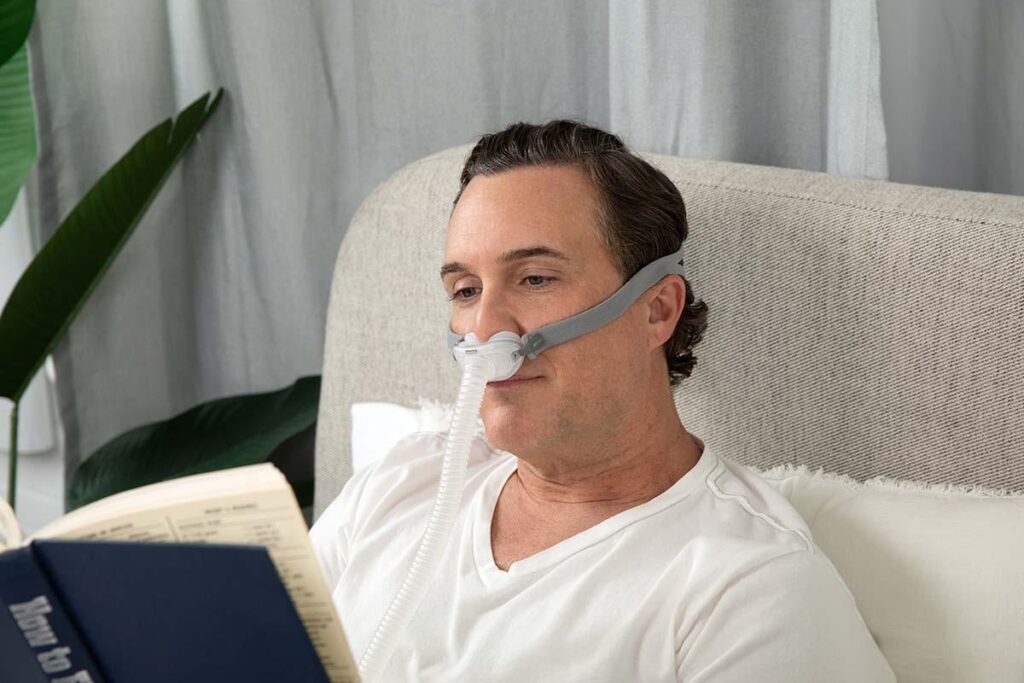
Benefits of Lightweight Wearable Oxygen
Switching to a modern, lightweight POC offers more than just physical relief; it provides a psychological boost to independence.
- Reduced Physical Strain: Older units could cause shoulder and back pain. Devices under 2.5 kg can be worn all day without significant fatigue.
- Seamless Air Travel: All units listed are FAA-approved portable oxygen devices. This means you can fly with Qantas, Virgin, or Jetstar without needing to rent heavy airline cylinders.
- Increased Social Engagement: Being able to carry your own oxygen discretely encourages seniors to attend family events and community gatherings.
- Safety in Motion: Advanced sensors ensure that even if your breathing rate increases during a brisk walk, the machine compensates instantly.
Real-World Use Case: Travelling Within Australia
Imagine Margaret, a 72-year-old from Adelaide who loves visiting her grandkids in Brisbane. Previously, she was tethered to heavy tanks that required couriers and complex logistics.
By switching to a lightest oxygen concentrator like the Inogen Rove 4, Margaret now simply:
- Provides her “Fit to Fly” medical certificate to the airline.
- Charges her two lithium-ion batteries the night before.
- Wears her 2.1 kg device through security and onto the plane.
- Plugs into the car’s DC outlet upon landing for a continuous charge.
This autonomy is the primary reason the “Active Senior” demographic is the fastest-growing segment in respiratory health.
Best Practices for Maintaining Your POC
To ensure your device remains reliable and maintains high oxygen purity, follow this simple framework:
- Weekly Filter Cleaning: Most Australian models have a “gross particle filter.” Simply rinse it under warm water, air dry completely, and reinsert.
- The 150% Battery Rule: For air travel, airlines require you to have 150% of the flight duration in battery life to account for delays.
- Avoid High Heat: Never leave your POC in a hot car, especially during Australian summers, as this can degrade the lithium battery.
- Annual Sieve Bed Check: The “sieve beds” are the filters that clean the air. Most modern devices will alert you when these need replacing (usually every 12–18 months).
Common Mistakes to Avoid
- Buying Based on Price Alone: Cheap, non-medical “oxygen bars” found online are not regulated. Always ensure your device is TGA-approved (Therapeutic Goods Administration) for use in Australia.
- Neglecting Pulse Settings: A “Setting 2” on one brand is not identical to “Setting 2” on another. Always calibrate your device with a pulse oximeter under the guidance of a respiratory specialist.
- Ignoring the Nasal Cannula: Using a cannula longer than 7 feet (2.1 metres) can lead to “triggering” issues where the machine doesn’t detect your breath.
Comparison Table: Top 2026 Lightweight POCs
| Model | Weight (kg) | Max Setting | Battery (Std) | Noise Level |
| Kingon P2-E | 1.98 | 5 | 5.5 Hours | 37 dB |
| Inogen Rove 4 | 2.1 | 4 | 3.0 Hours | 39 dB |
| CAIRE Comfort | 2.3 | 5 | 4.0 Hours | 43 dB |
| Inogen Rove 6 | 2.2 | 6 | 6.5 Hours | 38 dB |
| Zen-O Lite | 2.5 | 5 | 4.0 Hours | 37 dB |
Frequently Asked Questions (FAQ)
Is a portable oxygen concentrator covered by the NDIS or My Aged Care?
Yes, many seniors in Australia access POCs through NDIS funding or Home Care Packages (Level 1–4). You will typically need a recommendation from an Occupational Therapist or Respiratory Specialist.
Can I use these devices while sleeping?
Most lightweight wearable units are Pulse Dose, which may not be suitable for sleep if you breathe through your mouth or have shallow breathing. Consult your doctor about using “Continuous Flow” for nighttime needs.
How do I know if my POC is FAA-approved?
Look for a label on the back or bottom of the device with red text stating: “The manufacturer of this POC has determined this device conforms to all applicable FAA acceptance criteria for POC carriage and use on board aircraft.”
Can I charge my concentrator in the car?
Yes, all top-tier models come with a DC power adapter that plugs into a standard cigarette lighter/12V outlet, allowing you to charge while driving.
What is the lifespan of these devices?
With proper maintenance, a high-quality wearable oxygen concentrator should last 5 to 7 years. The sieve beds and batteries are “consumable” parts that may need replacing every 1.5 to 2 years.
Conclusion
Choosing the smallest and lightest wearable oxygen concentrator is a significant step toward reclaiming an active, independent lifestyle. In 2026, technology has finally caught up with the needs of active seniors, offering devices like the Kingon P2-E and Inogen Rove series that are light enough for daily use and powerful enough for international travel.
Before making a purchase, ensure the device meets your specific oxygen prescription and is FAA-approved for your travel needs. By prioritising weight and battery efficiency, you can stay mobile, stay healthy, and keep exploring.
Internal Linking Suggestions:
- Learn more about [portable oxygen accessories for travel].
- Compare [Pulse Dose vs Continuous Flow] for home use.
- Guide to [NDIS funding for respiratory equipment] in Australia.
Authoritative External References:
- Lung Foundation Australia
- Civil Aviation Safety Authority (CASA) – Travelling with medical oxygen